

Мы используем cookie-файлы для улучшения работы сайта. Продолжая использовать сайт, вы соглашаетесь с использованием данной технологии.
Введение в театроведение - все книги по дисциплине. Издательство Лань
Сохранить список:
Excel
Excel
Закрыть
Выгрузка списка книг доступна только авторизованным пользователям. Авторизоваться
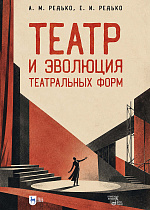
Книга посвящена развитию театрального искусства конца XIX — первой четверти XX века и анализу кризиса реалистического театра. Рассматриваются основные направления театральных реформ, включая мистический, эстетический, интеллектуальный и авангардный театр, раскрывая их художественные и философские основы.
Особое внимание уделено творчеству В. Э. Мейерхольда, В. Ф. Комиссаржевской и другим театральным деятелям, а также изменению роли актера и режиссера в сценическом искусстве. Работа представляет собой значимый источник по истории русской театральной мысли и художественных поисков начала XX века.
Настоящее издание воспроизводит текст книги 1926 года, опубликованной под именем Редько А. Е. Данное имя является коллективным псевдонимом литературного критика и публициста А. М. Редько (1866-1933) и его жены Е. И. Редько (1869-1955), совместно работавших над исследованием.
Книга адресована историкам театра, театроведам, культурологам, преподавателям и студентам гуманитарных специальностей, а также всем читателям, интересующимся историей русского театра.
The book is devoted to the development of theatre art from the late 19th century through the first quarter of the 20th century, offering an analysis of the crisis within the realist theatre. The authors study the main trends in theatre reform, including mystical, aesthetic, intellectual, and avant-garde theatre, while revealing their artistic and philosophical foundations. A particular attention is given to the work of V. E. Meyerhold, V. F. Komissarzhevskaya, and other prominent theatrical figures, as well as to the evolving roles of the actor and the director in the performing arts. The work serves as a significant resource for the history of Russian theatrical thought and the artistic searches of the early 20th century.
The current edition reproduces the text of a book originally published in 1926 under the name of A. E. Redko, a collective pseudonym for the literary critic and publicist A. M. Redko (1866–1933) and his wife, E. I. Redko (1869–1955), who collaborated on the study.
The book is intended for theatre historians, theatre scholars, cultural studies specialists, educators and students in the humanities, as well as any readers interested in the history of Russian theatre.
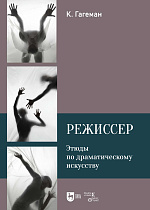
Карл Гагеман (1871–1945) — немецкий режиссер и теоретик театра, ему принадлежит ряд работ, посвященных анализу актерской игры и режиссуры. Данная книга представляет собой обзор того, что должен делать режиссер с момента получения сценария до окончательной постановки. Сам автор просит не воспринимать свою работу как некий строгий свод правил, предлагает изучить книгу в надежде, что она будет полезной не только режиссерам, но и читателям, просто интересующимся театром.
Книга адресована любителям театра, актерам, режиссерам, а также студентам и педагогам театральных училищ и вузов.
Сarl Hagemann (1871–1945) was a German director and theatre theorist who wrote a number of works on the analysis of acting and directing. This book represents an overview of what a director should do from the moment he receives a script to the final production. The author himself asks not to take his work as some kind of set of strict rules, and suggests one should study the book and hopes that it will be useful not only to directors, but also to readers who are simply interested in theatre.
The book is addressed to theatre lovers, actors, directors, and also to students and teachers of theatre colleges and higher schools.
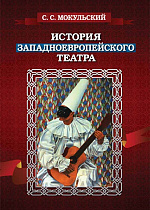
Стефан Стефанович Мокульский (1896-1960) - известный советский театровед и литературовед, доктор филологических наук (1937). В 1918 г. окончил филологический факультет Киевского университета. Преподавал в Ленинградском университете, Педагогическом институте им. А. И. Герцена, ГИТИСе, работал в Ленинградском театральном институте Государственной академии искусствознания, руководил сектором теории и истории театра в Институте истории искусств АН СССР, был главным редактором "Театральной энциклопедии". Выступал как театральный критик. Основные научные интересы С. С. Мокульского были связаны с итальянским и французским искусством эпох Возрождения и Просвещения. В его работах разработана концепция французского классицизма. Большую ценность представляет труд С. С. Мокульского "Истории западноевропейского театра". Книга охватывает огромный период развития западноевропейского театра - от эпохи Античности до второй половины XVIII века. Книга предназначена для студентов театроведческих факультетов и аспирантов театроведческих кафедр, детально изучающих историю зарубежного театра, а также всех тех, кто интересуется историей театрального искусства.
Stephan Stephanovich Mokulsky (1896–1960) — a famous Soviet theatre and literature researcher, Doctor of Science in Philology (1937). Graduated from Philology faculty of the Kyiv university in 1918. He taught at Leningrad University, at the A. I. Herzen Pedagogical Institute, and at GITIS, worked at the Leningrad Theatre Institute of the State Academy of Art Studies, headed the Theatre Theory and History Sector at the Institute of Art History of the USSR Academy of Sciences, and served as chief editor of the “Theatre Encyclopedia”. He also worked as a theater critique. S. S. Mokulsky’s primary research interests were focused on Italian and French art of the Renaissance and the Enlightenment. His works developed a concept of French Classicism.
“History of the West European Theatre” by S. S. Mokulsky is a valuable work. The book studies a vast period of developing of the European theatre, from Antiquity to the second part of the 18th century. The book is intended for students and postgraduates of the faculties of the theatre studies closely studying history of the foreign theatre, and for all interested in the history of the theatre art.
Закрыть
Сообщить о поступлении
Укажите ваш e-mail, и мы пришлем уведомление, как только книга
станет доступна для покупки.