

История вокального искусства - все книги по дисциплине. Издательство Лань
Сохранить список:
Excel
Excel
Закрыть
Выгрузка списка книг доступна только авторизованным пользователям. Авторизоваться
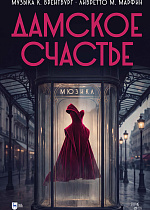
Мюзикл «Дамское счастье» написан известными российскими авторами по мотивам одноименного романа Эмиля Золя Автор музыки – Ким Брейтбург, автор либретто и поэтических текстов музыкальных номеров – Михаил Марфин. Мюзикл был показан впервые в Оренбургском театре музыкальной комедии в декабре 2021 года. Затем последовали постановки в других регионах России.
Оркестровая фактура мюзикла представляет собой синтез поп-музыки и мюзиклового мейнстрима. В вокальных партиях персонажей используются различные стили исполнения: от академической манеры пения, принятого в мюзиклах (леджит), до пения в вокальных манерах белта и поп-музыки.
The musical “The Ladies Paradise” was written by famous Russian authors and based on the novel of the same name by Émile Zola. The music was composed by Kim Breitburg, the libretto and lyrics written by Mikhail Marfin. The musical premiered in December of 2021 at the Orenburg Musical Comedy Theatre. Then followed the stage productions in other regions of Russia.
The musical’s orchestral score is a synthesis of pop music and musical mainstream. In the characters’ vocal parts the various performance styles are used: from the academic manner of singing accepted in musicals (legit), to singing in the vocal manners of belt and rock.
Оркестровая фактура мюзикла представляет собой синтез поп-музыки и мюзиклового мейнстрима. В вокальных партиях персонажей используются различные стили исполнения: от академической манеры пения, принятого в мюзиклах (леджит), до пения в вокальных манерах белта и поп-музыки.
The musical “The Ladies Paradise” was written by famous Russian authors and based on the novel of the same name by Émile Zola. The music was composed by Kim Breitburg, the libretto and lyrics written by Mikhail Marfin. The musical premiered in December of 2021 at the Orenburg Musical Comedy Theatre. Then followed the stage productions in other regions of Russia.
The musical’s orchestral score is a synthesis of pop music and musical mainstream. In the characters’ vocal parts the various performance styles are used: from the academic manner of singing accepted in musicals (legit), to singing in the vocal manners of belt and rock.
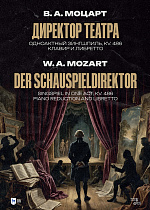
«Директор театра» (нем. “Der Schauspieldirektor”) — одноактный зингшпиль В. А. Моцарта, написанный в ходе музыкального состязания, устроенного императо-ром Иосифом II между Моцартом и Сальери. Обе оперы были впервые исполнены в Шёнбрунне 7 февраля 1786 года. Победа была присуждена опере Сальери «Сначала музыка, а потом слова» (“Prima la musica e poi le parole”). Однако история рассудила иначе.
Опера Моцарта, написанная на либретто Готлиба Штефани (либреттиста оперы «Похищение из сераля»), в комедийной форме рисует нравы театрального закулисья, актуальные во все времена. В спектакле чередуются музыкальные номера и разговорные диалоги.
Данное издание представляет собой оригинальную версию, включающую девять действующих лиц, содержит клавир и полное либретто (как оригинальный немецкий текст, так и новый перевод на русский язык).
Издание предназначено для дирижеров, режиссеров и певцов музыкальных театров, для студентов и педагогов вокальных отделений творческих вузов, а также для широкого круга любителей музыкально-сценического искусства.
“Der Schauspieldirektor” (“The Impresario”) is a singspiel in one act by W. A. Mozart, written for a musical competition committed by the Emperor Joseph II between Mozart and Salieri. Both operas were premiered at Schönbrunn on February 7, 1786. Salieri’s “First the Music, Then the Words” (“Prima la musica e poi le parole”) was announced the winner. However, history judged otherwise.
Mozart’s opera, written to a libretto by Gottlieb Stephanie (the librettist of “The Abduction from the Seraglio”), uses comedic form to depict the mores of theatrical backstage, a timeless experience. The performance alternates between musical numbers and spoken dia-logue.
The current edition represents the original version, featuring nine characters, and contains the piano reduction and the full libretto (both the original German text and a new Russian translation).
The edition is intended for conductors, directors, singers at music theatres, students and teachers of the vocal departments at arts higher schools, as well as for a wide range of music and performing arts enthusiasts.
Опера Моцарта, написанная на либретто Готлиба Штефани (либреттиста оперы «Похищение из сераля»), в комедийной форме рисует нравы театрального закулисья, актуальные во все времена. В спектакле чередуются музыкальные номера и разговорные диалоги.
Данное издание представляет собой оригинальную версию, включающую девять действующих лиц, содержит клавир и полное либретто (как оригинальный немецкий текст, так и новый перевод на русский язык).
Издание предназначено для дирижеров, режиссеров и певцов музыкальных театров, для студентов и педагогов вокальных отделений творческих вузов, а также для широкого круга любителей музыкально-сценического искусства.
“Der Schauspieldirektor” (“The Impresario”) is a singspiel in one act by W. A. Mozart, written for a musical competition committed by the Emperor Joseph II between Mozart and Salieri. Both operas were premiered at Schönbrunn on February 7, 1786. Salieri’s “First the Music, Then the Words” (“Prima la musica e poi le parole”) was announced the winner. However, history judged otherwise.
Mozart’s opera, written to a libretto by Gottlieb Stephanie (the librettist of “The Abduction from the Seraglio”), uses comedic form to depict the mores of theatrical backstage, a timeless experience. The performance alternates between musical numbers and spoken dia-logue.
The current edition represents the original version, featuring nine characters, and contains the piano reduction and the full libretto (both the original German text and a new Russian translation).
The edition is intended for conductors, directors, singers at music theatres, students and teachers of the vocal departments at arts higher schools, as well as for a wide range of music and performing arts enthusiasts.
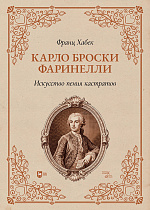
«Карло Броски Фаринелли. Искусство пения кастратов» Франца Хабека — это одно из первых исследований феномена певцов-кастратов XVIII века, и уж точно первая «биография голоса» великого певца, известного и в наши дни как Фаринелли. Отличие этого издания от обычных биографий музыканта состоит в том, что здесь упор сделан не на события жизни человека, а на отличительные особенности (диапазон, звучание, технические приемы) и развитие голоса. В этом издании приведены и проанализированы практически все исполненные Фаринелли арии. И хотя эта книга вышла более 100 лет назад, она до сих пор не утратила своей актуальности.
Для современного российского читателя — музыковеда, вокалиста или просто любителя старинной музыки — этот перевод послужит надежным мостиком между сухими нотными знаками XVIII века и живым, чувственным звучанием голоса, который когда-то заставлял замирать всю Европу.
Franz Haböck’s (1868–1921) “Carlo Broschi Farinelli: The Art of Castrati Singing” is one of the first studies of the 18th-century castrato phenomenon, and certainly the first “voice biography” of the great singer known today as Farinelli. This publication is not typical biography of the musician since it focuses not on his life events, but on the distinctive features (range, sound, technique) and vocal development. This edition includes and analyzes virtually all of Farinelli’s arias. Although published over 100 years ago, this book remains relevant today.
For the modern Russian reader — musicologist, vocalist, or simply lover of early music — this book will serve as a reliable bridge between the dry musical notations of the 18th century and the vibrant, sensual sound of a voice that once captivated all of Europe.
Для современного российского читателя — музыковеда, вокалиста или просто любителя старинной музыки — этот перевод послужит надежным мостиком между сухими нотными знаками XVIII века и живым, чувственным звучанием голоса, который когда-то заставлял замирать всю Европу.
Franz Haböck’s (1868–1921) “Carlo Broschi Farinelli: The Art of Castrati Singing” is one of the first studies of the 18th-century castrato phenomenon, and certainly the first “voice biography” of the great singer known today as Farinelli. This publication is not typical biography of the musician since it focuses not on his life events, but on the distinctive features (range, sound, technique) and vocal development. This edition includes and analyzes virtually all of Farinelli’s arias. Although published over 100 years ago, this book remains relevant today.
For the modern Russian reader — musicologist, vocalist, or simply lover of early music — this book will serve as a reliable bridge between the dry musical notations of the 18th century and the vibrant, sensual sound of a voice that once captivated all of Europe.
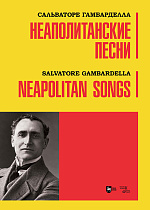
Сальваторе Гамбарделла (1871-1913) обладал врожденной музыкальностью в сочетании с глубокой поэтической чуткостью, которые обеспечили ему признание не только публики, но и крупнейших музыкантов современности. Пользуясь советами и поддержкой Винченцо Ди Кьяра, Гамбарделла, не имея музыкального образования и будучи практически самоучкой, написал композицию «Морячок» на слова Дж. Оттавиано — одну из самых известных неаполитанских песен. Издание адресовано студентам музыкальных училищ, вузов, профессиональным исполнителям и любителям вокальной музыки.
Salvatore Gambardella (1871–1913) possessed an innate music gift together with a profound poetic sense, which brought him recognition not only from the audience but also from the greatest contemporary musicians. With the advice and support of Vincenzo Di Chiara, Gambardella, who had no musical training and was in fact self-taught, wrote “’O Marenariello” (“The Sailor”) to lyrics by G. Ottaviano — one of the most famous Neapolitan songs.
The edition is addressed to students of music colleges and higher schools, professional singers, and vocal music lovers.
Salvatore Gambardella (1871–1913) possessed an innate music gift together with a profound poetic sense, which brought him recognition not only from the audience but also from the greatest contemporary musicians. With the advice and support of Vincenzo Di Chiara, Gambardella, who had no musical training and was in fact self-taught, wrote “’O Marenariello” (“The Sailor”) to lyrics by G. Ottaviano — one of the most famous Neapolitan songs.
The edition is addressed to students of music colleges and higher schools, professional singers, and vocal music lovers.
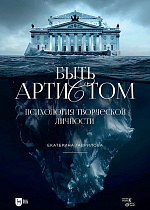
Кто такой артист за пределами сцены? С какими психологическими вызовами он сталкивается на пути к успеху, во время творческой карьеры и после ее завершения?
В этой книге оперная певица и клинический психолог Екатерина Гаврилова исследует внутренний мир творческой личности, объединяя личный опыт, научные знания и практические инструменты самопомощи. Автор рассказывает о страхе сцены, синдроме самозванца, выгорании, зависимости от признания и поиске собственной идентичности.
Книга адресована артистам, студентам творческих специальностей, педагогам, психологам, и всем, кто интересуется психологией творчества. Это честный и профессиональный разговор о том, как сохранить себя в искусстве и не потерять вдохновение на пути к самореализации.
Who is an artist offstage? What psychological challenges does he or she face on the way to success, during the creative career, and afterwards?
Ekaterina Gavrilova, an opera singer and clinical psychologist, studies in her book the inner world of the creative personality using personal experience, scholar knowledge, and practical self-help tools. The author talks about stage fright, impostor syndrome, burnout, reliance on recognition, and the search for one’s own identity.
This book is addressed to artists, arts students, educators, psychologists, and anyone interested in the psychology of a creative personality. It’s an honest and professional discussion about how to maintain one’s artistic personality and stay inspired on the way to self-realization.
В этой книге оперная певица и клинический психолог Екатерина Гаврилова исследует внутренний мир творческой личности, объединяя личный опыт, научные знания и практические инструменты самопомощи. Автор рассказывает о страхе сцены, синдроме самозванца, выгорании, зависимости от признания и поиске собственной идентичности.
Книга адресована артистам, студентам творческих специальностей, педагогам, психологам, и всем, кто интересуется психологией творчества. Это честный и профессиональный разговор о том, как сохранить себя в искусстве и не потерять вдохновение на пути к самореализации.
Who is an artist offstage? What psychological challenges does he or she face on the way to success, during the creative career, and afterwards?
Ekaterina Gavrilova, an opera singer and clinical psychologist, studies in her book the inner world of the creative personality using personal experience, scholar knowledge, and practical self-help tools. The author talks about stage fright, impostor syndrome, burnout, reliance on recognition, and the search for one’s own identity.
This book is addressed to artists, arts students, educators, psychologists, and anyone interested in the psychology of a creative personality. It’s an honest and professional discussion about how to maintain one’s artistic personality and stay inspired on the way to self-realization.
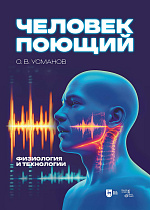
500 лет люди пытаются разгадать секрет: где в теле рождается звук, и как это происходит.
О сложности вопроса говорит то, что до сих пор так и нет окончательной теории зарождения голоса. Попытки соединить две – мышечно-эластическую и нервно-временную – успеха не имели.
В настоящем издании выдвигается гипотеза об исходном акустическом импульсе, возникающем в голосовом тракте. Уникальная информация о певческом голосе делает книгу настольной для преподавателей, певцов и музыкантов. Публикуемая работа вызовет интерес – но и, несомненно, резкие споры – в кругах педагогов, исследователей голоса, а также ищущих исполнителей.
Материал подан на основе новейших научных данных, мало- и неизвестных исследований русских и иностранных учёных – теоретиков и практиков, а также связи разных наук: радиоэлектроники и фонетики, физики и акустики, теории музыки и физиологии голоса. Это и отличает книгу от многих других.
For 500 years people have been trying to unravel the mystery: where in the body sound is born and how it happens.
The complexity of the issue is proven by the fact that there is no definitive theory of voice generation until now. The attempts to combine the muscular-elastic and the neuro-temporal theories proved unsuccessful.
This work puts forward a hypothesis about the initial acoustic impulse originating in the vocal tract. The unique information about the singing voice makes the book a must-read for teachers, singers, and musicians. The following pages will evoke interest, as well as undoubted debate, among educators, voice researchers, and performers seeking perfection. The material presented is based on the latest scientific data, little-known and completely unknown research by Russian and international scientists, — theoreticians and practitioners. Connections between various sciences — radio electronics and phonetics, physics and acoustics, music theory and vocal physiology — are also taken into account. This is what distinguishes this book from many others.
О сложности вопроса говорит то, что до сих пор так и нет окончательной теории зарождения голоса. Попытки соединить две – мышечно-эластическую и нервно-временную – успеха не имели.
В настоящем издании выдвигается гипотеза об исходном акустическом импульсе, возникающем в голосовом тракте. Уникальная информация о певческом голосе делает книгу настольной для преподавателей, певцов и музыкантов. Публикуемая работа вызовет интерес – но и, несомненно, резкие споры – в кругах педагогов, исследователей голоса, а также ищущих исполнителей.
Материал подан на основе новейших научных данных, мало- и неизвестных исследований русских и иностранных учёных – теоретиков и практиков, а также связи разных наук: радиоэлектроники и фонетики, физики и акустики, теории музыки и физиологии голоса. Это и отличает книгу от многих других.
For 500 years people have been trying to unravel the mystery: where in the body sound is born and how it happens.
The complexity of the issue is proven by the fact that there is no definitive theory of voice generation until now. The attempts to combine the muscular-elastic and the neuro-temporal theories proved unsuccessful.
This work puts forward a hypothesis about the initial acoustic impulse originating in the vocal tract. The unique information about the singing voice makes the book a must-read for teachers, singers, and musicians. The following pages will evoke interest, as well as undoubted debate, among educators, voice researchers, and performers seeking perfection. The material presented is based on the latest scientific data, little-known and completely unknown research by Russian and international scientists, — theoreticians and practitioners. Connections between various sciences — radio electronics and phonetics, physics and acoustics, music theory and vocal physiology — are also taken into account. This is what distinguishes this book from many others.
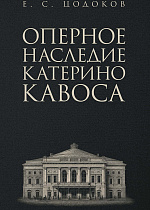
Эта книга — первая попытка в отечественной историко-музыкальной науке собрать воедино все сведения об оперном творчестве Катерино Кавоса (1777–1840), русско-итальянского композитора доглинкинской эпохи, и систематизировать его хронологически и жанрово. Информация сопровождается кратким описанием и характеристикой первых постановок его опер и произведений, примыкающих к ним по жанру (водевили, драматические сочинения с музыкой), включая участвовавших них артистов.
This book represents the first attempt in Russian music history scholarship to gather together all the information on the opera opuses by Catarino Cavos (1777–1840), a Russian-Italian composer of the pre-Glinka era, and to organize it chronologically and by genre. The story is supplied with brief descriptions and characterizations of the first productions of his operas and works of similar genres (vaudevilles, dramatic pieces with music), including the artists involved.
This book represents the first attempt in Russian music history scholarship to gather together all the information on the opera opuses by Catarino Cavos (1777–1840), a Russian-Italian composer of the pre-Glinka era, and to organize it chronologically and by genre. The story is supplied with brief descriptions and characterizations of the first productions of his operas and works of similar genres (vaudevilles, dramatic pieces with music), including the artists involved.
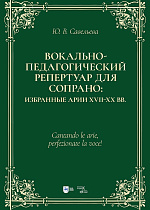
Издание представляет собой нотное собрание русских и зарубежных арий для сопрано разных эпох: от XVII до XX века, ориентированных на начальный этап освоения этого сложного вокального жанра. В сборнике представлены арии, полезные для укрепления техники пения, формирования вокально-исполнительской культуры, развития профессионального голоса с призывом-девизом «Cantando le arie, perfezionate la voce!» — «Пойте арии, совершенствуйте свой голос!». Избранные арии предназначены для учеников, профессионально занимающихся академическим пением, но по уровню исполнительских задач еще не требуют широкого диапазона, блистательной виртуозности, высочайшего уровня технической оснащенности. Произведения не являются простыми, но доступны и удобны для работы над основными вокально-техническими навыками и художественно-исполнительскими нюансами в учебном процессе.
В начале пособия представлена авторская вступительная статья, посвященная проблеме обучения академическому пению в современном музыкальном образовании, а также содержащая обоснование вокально-педагогического репертуара, методические рекомендации и пояснения к нотному разделу. Сборник адресован преподавателям сольного академического пения и студентам музыкальных и музыкально-педагогических училищ и вузов.
This edition represents a collection of Russian and foreign arias for soprano from various eras, from the 17th to the 20th centuries, intended for beginners in this complicated vocal genre. The collection features arias suitable for mastering vocal technique, forming of a vocal performance culture, and developing a professional performer’s voice, with the motto “Cantando le arie, perfezionate la voce!” — “Sing arias, refine your voice!” The selected arias are intended for students involved in academic singing, still they do not demand a wide range, brilliant virtuosity, or the highest level of technical skill. Though not simple, these vocal pieces are suitable for working on basic vocal technique and artistic performance nuances in the educational process.
The textbook is supplied with the author’s foreword, devoted to the issue of teaching academic singing in modern music education, as well as reasons for the vocal and pedagogical repertoire, methodological recommendations, and comments to the music scores. This collection is intended for teachers of solo academic singing and students of music and music pedagogical colleges and higher schools.
В начале пособия представлена авторская вступительная статья, посвященная проблеме обучения академическому пению в современном музыкальном образовании, а также содержащая обоснование вокально-педагогического репертуара, методические рекомендации и пояснения к нотному разделу. Сборник адресован преподавателям сольного академического пения и студентам музыкальных и музыкально-педагогических училищ и вузов.
This edition represents a collection of Russian and foreign arias for soprano from various eras, from the 17th to the 20th centuries, intended for beginners in this complicated vocal genre. The collection features arias suitable for mastering vocal technique, forming of a vocal performance culture, and developing a professional performer’s voice, with the motto “Cantando le arie, perfezionate la voce!” — “Sing arias, refine your voice!” The selected arias are intended for students involved in academic singing, still they do not demand a wide range, brilliant virtuosity, or the highest level of technical skill. Though not simple, these vocal pieces are suitable for working on basic vocal technique and artistic performance nuances in the educational process.
The textbook is supplied with the author’s foreword, devoted to the issue of teaching academic singing in modern music education, as well as reasons for the vocal and pedagogical repertoire, methodological recommendations, and comments to the music scores. This collection is intended for teachers of solo academic singing and students of music and music pedagogical colleges and higher schools.
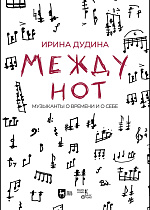
Издание представляет собой сборник интервью с композиторами, музыкантами, исполнителями России и зарубежья, которые перемежаются живыми репортажами с концертов и встреч. Книга отправляет читателя в увлекательный мир современной музыки во всех ее ипостасях. Классики и гении мирового уровня, экспериментаторы, звезды, собирающие большие залы и огромное число просмотров в интернете, звездочки местного петербургского уровня. Разговоры о роли музыки в обществе, о ее смыслах, о степени близости ее к Богу, сетования на непонимание и финансовые трудности, рассказы о пути к профессии. Мелкие и крупные приметы времени, что сделает книгу для потомков важным источником знаний о нашей жизни в России последних тридцати лет — в культурном, экономическом, социальном и интеллектуальном плане.
Книга будет интересна начинающим профессионалам, препода- вателям, всем любителям музыки, ее историкам и исследователям.
This edition represents a collection of interviews with composers, musicians, and performers from Russia and abroad, combined with live reports from concerts and meetings. The book invites the reader to the exciting world of contemporary music in its various forms. It features classics and world-class geniuses, experimentalists, stars who perform in huge halls and enjoy countless online views, and local St. Petersburg stars. Here are the conversations about the role of music in society, its meaning, the degree of its closeness to God, lamentations on misunderstanding and financial problems, and stories about the way to the profession. Small and big signs of the times will make the book a valuable source of knowledge for next generations about cultural, economical, social, and intellectual life in Russia over the past thirty years.
The book will be of interest to young professionals, teachers, music lovers, historians, and researchers.
Книга будет интересна начинающим профессионалам, препода- вателям, всем любителям музыки, ее историкам и исследователям.
This edition represents a collection of interviews with composers, musicians, and performers from Russia and abroad, combined with live reports from concerts and meetings. The book invites the reader to the exciting world of contemporary music in its various forms. It features classics and world-class geniuses, experimentalists, stars who perform in huge halls and enjoy countless online views, and local St. Petersburg stars. Here are the conversations about the role of music in society, its meaning, the degree of its closeness to God, lamentations on misunderstanding and financial problems, and stories about the way to the profession. Small and big signs of the times will make the book a valuable source of knowledge for next generations about cultural, economical, social, and intellectual life in Russia over the past thirty years.
The book will be of interest to young professionals, teachers, music lovers, historians, and researchers.
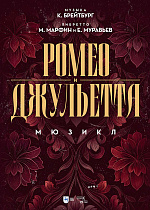
Мюзикл «Ромео и Джульетта» написан известными российскими авторами по мотивам одноименной трагедии У. Шекспира. Автор музыки – Ким Брейтбург, автор либретто – Михаил Марфин, автор поэтических текстов музыкальных номеров – Евгений Муравьёв. Мюзикл был показан впервые в Оренбургском театре музыкальной комедии 7 июня 2024 года. Затем последовали постановки в других регионах России. В Москве премьера состоялась в феврале 2025 года в Московском детском музыкально-драматическом театре «Поколение».
Оренбургский спектакль вошёл в число 300 лучших театральных постановок РФ, как участник профессионального конкурса Союза театральных деятелей РФ «Золотой фонд театральных постановок Россиии» и был номинирован на соискание международной независимой театральной премии «Звезда Театрала» в 2025 году.
Трагедия Шекспира была интегрирована в форму музыкального спектакля а основе ее главной сюжетной линии. В либретто использованы фрагменты перевода А,А.Григорьева.
Оркестровая фактура мюзикла представляет собой синтез симфоничесого звучания и современной рок- и поп-музыки. В вокальных партиях персонажей используются различные стили исполнения: от академической манеры пения, принятого в мюзиклах (леджит), до пения в вокальных манерах белта и рока.
The musical “Romeo and Juliet” was written by famous Russian composers and was based on the tragedy by William Shakespeare. The music was composed by Kim Breitburg, the libretto written by Mikhail Marfin, and lyrics by Evgeny Muravyev. The musical premiered on June 7, 2024 at the Orenburg Musical Comedy Theatre. Then followed the stage productions in other regions of Russia. The Moscow premiere took place in February 2025 at the Moscow Children’s Musical and Drama Theatre “Generation”.
The Orenburg performance entered the 300 best theatrical productions of the Russian Federation as a participant of the professional contest of the Union of Theatre Workers of the Russian Federation “The Golden Fund of Theatrical Productions of Russia” and was nominated for the international independent theatre award “The Theatre Star” in 2025.
Shakespeare’s tragedy was transformed into a musical performance based on its main plot. The libretto includes excerpts from translation by A.A. Grigoriev.
The musical’s orchestral score is a synthesis of symphonic sound and contemporary rock and pop music. In the characters’ vocal parts the various performance styles are used: from the academic manner of singing accepted in musicals (legit), to singing in the vocal manners of belt and rock.
Оренбургский спектакль вошёл в число 300 лучших театральных постановок РФ, как участник профессионального конкурса Союза театральных деятелей РФ «Золотой фонд театральных постановок Россиии» и был номинирован на соискание международной независимой театральной премии «Звезда Театрала» в 2025 году.
Трагедия Шекспира была интегрирована в форму музыкального спектакля а основе ее главной сюжетной линии. В либретто использованы фрагменты перевода А,А.Григорьева.
Оркестровая фактура мюзикла представляет собой синтез симфоничесого звучания и современной рок- и поп-музыки. В вокальных партиях персонажей используются различные стили исполнения: от академической манеры пения, принятого в мюзиклах (леджит), до пения в вокальных манерах белта и рока.
The musical “Romeo and Juliet” was written by famous Russian composers and was based on the tragedy by William Shakespeare. The music was composed by Kim Breitburg, the libretto written by Mikhail Marfin, and lyrics by Evgeny Muravyev. The musical premiered on June 7, 2024 at the Orenburg Musical Comedy Theatre. Then followed the stage productions in other regions of Russia. The Moscow premiere took place in February 2025 at the Moscow Children’s Musical and Drama Theatre “Generation”.
The Orenburg performance entered the 300 best theatrical productions of the Russian Federation as a participant of the professional contest of the Union of Theatre Workers of the Russian Federation “The Golden Fund of Theatrical Productions of Russia” and was nominated for the international independent theatre award “The Theatre Star” in 2025.
Shakespeare’s tragedy was transformed into a musical performance based on its main plot. The libretto includes excerpts from translation by A.A. Grigoriev.
The musical’s orchestral score is a synthesis of symphonic sound and contemporary rock and pop music. In the characters’ vocal parts the various performance styles are used: from the academic manner of singing accepted in musicals (legit), to singing in the vocal manners of belt and rock.
Закрыть
Сообщить о поступлении
Укажите ваш e-mail, и мы пришлем уведомление, как только книга
станет доступна для покупки.