

Мы используем cookie-файлы для улучшения работы сайта. Продолжая использовать сайт, вы соглашаетесь с использованием данной технологии.
История театра - все книги по дисциплине. Издательство Лань
Сохранить список:
Excel
Excel
Закрыть
Выгрузка списка книг доступна только авторизованным пользователям. Авторизоваться
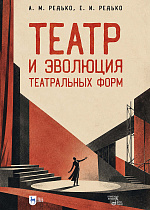
Книга посвящена развитию театрального искусства конца XIX — первой четверти XX века и анализу кризиса реалистического театра. Рассматриваются основные направления театральных реформ, включая мистический, эстетический, интеллектуальный и авангардный театр, раскрывая их художественные и философские основы.
Особое внимание уделено творчеству В. Э. Мейерхольда, В. Ф. Комиссаржевской и другим театральным деятелям, а также изменению роли актера и режиссера в сценическом искусстве. Работа представляет собой значимый источник по истории русской театральной мысли и художественных поисков начала XX века.
Настоящее издание воспроизводит текст книги 1926 года, опубликованной под именем Редько А. Е. Данное имя является коллективным псевдонимом литературного критика и публициста А. М. Редько (1866-1933) и его жены Е. И. Редько (1869-1955), совместно работавших над исследованием.
Книга адресована историкам театра, театроведам, культурологам, преподавателям и студентам гуманитарных специальностей, а также всем читателям, интересующимся историей русского театра.
The book is devoted to the development of theatre art from the late 19th century through the first quarter of the 20th century, offering an analysis of the crisis within the realist theatre. The authors study the main trends in theatre reform, including mystical, aesthetic, intellectual, and avant-garde theatre, while revealing their artistic and philosophical foundations. A particular attention is given to the work of V. E. Meyerhold, V. F. Komissarzhevskaya, and other prominent theatrical figures, as well as to the evolving roles of the actor and the director in the performing arts. The work serves as a significant resource for the history of Russian theatrical thought and the artistic searches of the early 20th century.
The current edition reproduces the text of a book originally published in 1926 under the name of A. E. Redko, a collective pseudonym for the literary critic and publicist A. M. Redko (1866–1933) and his wife, E. I. Redko (1869–1955), who collaborated on the study.
The book is intended for theatre historians, theatre scholars, cultural studies specialists, educators and students in the humanities, as well as any readers interested in the history of Russian theatre.
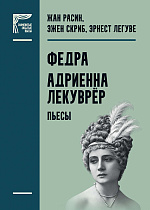
В рамках проекта «Забытые знаменитые пьесы», реализуемого Санкт-Петербургским издательством «Планета музыки», продолжается серия изданий, посвященных некогда популярным пьесам, «выпавшим» из репертуара отечественного театра. Задача серии — обратить внимание профессионалов и любителей театра на эти произведения и способствовать их возвращению на сцену. Все книги серии открываются предисловиями, рассказывающими о лучших страницах сценической истории публикуемых пьес в России.
Настоящее издание объединяет две пьесы, необычайно важные для истории французского театра. Великую «Федру» Ж. Расина дополняет прославленная пьеса Э. Скриба и Э. Легуве, посвященная едва ли не лучшей исполнительнице роли Федры на французской сцене. Значимы оба эти произведения и для русского театра. Ведь они стали основой спектаклей Камерного театра, поставленных А. Я. Таировым в 1917 и 1922 годах, в которых блистательно играла А. Г. Коонен.
Издание предназначено педагогам и студентам театральных учебных заведений, а также всем, кто любит театр и интересуется его историей.
As the part of the “Forgotten Famous Plays” project by the “Planet of Music” Publishing House (St. Petersburg) a series of publications is continued, devoted to once popular plays, that have since gone from the repertoire of Russian theatre. The publications are to draw attention of professional theatre figures and amateurs to these works, and make them return to stage. Each book in the series begins with a preface that highlights the most notable chapters in the stage history of the featured plays in Russia.
The current edition includes two plays extremely important for the history of French theatre. Together with great Phèdre by Jean Racine comes Adrienne Lecouvreur by Eugène Scribe and Ernest Legouvé, dedicated to probably the best interpreter of Phèdre on a French scene. Both works are significant for Russian theatre as well, for they became the basis for Chamber Theatre performances, directed by A. Y. Tairov in 1917 and 1922, starring A. G. Koonen.
The edition is intended for educators and students of theatre schools, as well as anyone who loves theatre and is interested in its history.
В учебно-методическом пособии рассматривается система подготовки актера школы Михаила Чехова. Авторы анализируют все шесть способов репетирования, предложенные мастером, рассматривают комплекс упражнений, способствующих развитию творческой личности актера, анализируют требования, предъявляемые М. Чеховым к актерским способностям. Кроме того, авторы делятся собственным практическим опытом преподавания в театральном вузе.
Соответствует современным требованиям Федерального государственного образовательного стандарта среднего профессионального образования и профессиональным квалификационным требованиям. Пособие предназначено для студентов театральных училищ и колледжей, изучающих дисциплину «Актерское мастерство».
The authors of this methodical textbook study the actor training system of Mikhail Chekhov’s school. They analyze all six rehearsal methods proposed by the master, review a set of exercises that contribute to the growth of an actor’s personality, and analyze Chekhov’s demands on acting abilities. Furthermore, the authors share their own practical experience of teaching at a theatre school.
Corresponds to the modern requirements of the Federal State Educational Standard of Secondary Vocational Education and professional qualification
requirements. The textbook is intended for students of theatre colleges specializing in acting.
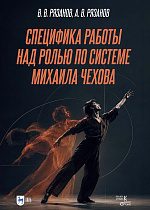
В учебно-методическом пособии рассматривается система подготовки актёра школы Михаила Чехова. Авторы анализируют все шесть способов репетирования, предложенные мастером, рассматривают комплекс упражнений, способствующих развитию творческой личности актёра, анализируют требования, предъявляемые М.Чеховым к актёрским способностям. Кроме того, авторы делятся собственным практическим опытом преподавания в театральном вузе.
Учебное пособие предназначено для студентов театральных и творческих вузов, изучающих дисциплину «Актёрское мастерство».
The authors of this methodical textbook study the actor training system of Mikhail Chekhov’s school. They analyze all six rehearsal methods pro-posed by the master, review a set of exercises that contribute to the growth of an actor’s personality, and analyze Chekhov’s demands on acting abilities. Furthermore, the authors share their own practical experience of teaching at a theatre school.
The textbook is intended for students of theatre and arts higher schools specializing in acting.
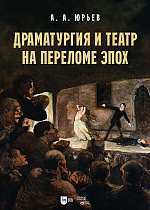
В истории искусства любая смена эпох порождает как кризисные явления, так и открытия, определяющие дальнейшие перспективы развития. Драматургия и театр отражают эту противоречивую динамику с максимальной наглядностью. Этой теме посвящен предлагаемый сборник работ профессора Российского государственного института сценических искусств А. А. Юрьева.
Every change of times in the art history gives rise to both crises and discoveries leading to new ways, that shape future developments. Drama and theatre reflect this contradictory process with utmost clarity. The current collection of essays by A. A. Yuryev, Professor of the Russian State Institute of Performing Arts, is devoted to this topic.
Every change of times in the art history gives rise to both crises and discoveries leading to new ways, that shape future developments. Drama and theatre reflect this contradictory process with utmost clarity. The current collection of essays by A. A. Yuryev, Professor of the Russian State Institute of Performing Arts, is devoted to this topic.
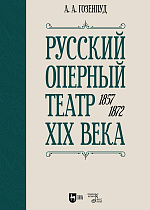
Данное издание продолжает фундаментальное исследование истории отечественной оперы и охватывает период интенсивных художественных и общественных изменений во второй половине XIX века. В работе рассматривается развитие русского оперного театра от конца глинкинской традиции до формирования новых эстетических ориентиров, подготовивших расцвет национальной оперы 1870–1880-х годов. Автор анализирует репертуар императорских театров, эволюцию оперной драматургии, деятельность ведущих композиторов, дирижёров и певцов, а также условия театрального производства и восприятие оперы современниками. Значительное внимание уделено становлению реалистических тенденций, расширению тематического круга опер и усилению связи музыкального театра с общественной жизнью эпохи реформ.
Книга представляет собой ценное научное исследование, адресованное музыковедам, театроведам, студентам и всем интересующимся историей русской музыкальной культуры.
The current edition continues the fundamental study of the Russian opera history and covers a period of intense artistic and social change in the second half of the 19th century. It examines the development of Russian opera from the end of the Glinka tradition to the emergence of new aesthet-ic trends that influenced the rise of national opera in the 1870s and 1880s. The author analyzes the repertoire of the Imperial Theatres, the evolution of operatic dramaturgy, the work of prominent composers, conductors, and singers, as well as the conditions of theatrical production and the per-ception of opera by contemporaries. A considerable attention is paid to the formation of realistic trends, more diverse opera content, and the strengthening of musical theatre’s connection with so-cial life during the reform era.
The book represents a valuable study which is addressed to musicologists, theatre historians, students, and anyone interested in the history of Russian music culture.
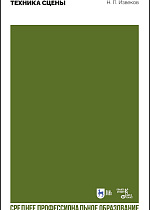
Книга выдающегося театрального инженера и историка Николая Павловича Извекова (1886–1942) является фундаментальным классическим трудом, заложившим основы научного подхода к сценографии и театральной технологии в СССР.
В издании впервые детально систематизированы и описаны инженерно-технические аспекты устройства театрального здания и сценического пространства. Рассматривается архитектура сценической коробки, классификация игровых площадок, механическое оборудование сцены. В данном издании частично воспроизведены иллюстрации из книги 1940 года. Соответствует современным требованиям Федерального государственного образовательного стандарта среднего профессионального образования и профессиональным квалификационным требованиям.
Предназначено для студентов и преподавателей средних специальных учебных заведений.
The book by Nikolai Pavlovich Izvekov (1886–1942), the prominent theatre engineer and historian is a basic work that laid the foundations for a scholar approach to scenography and theatre technology in the USSR.
The edition provides the first detailed systematization and description of the engineering and technical aspects of theatre building design and stage space. The author examines the stage house architecture, the classification of performance areas, and stage machinery. The current edition includes reproductions of some illustrations from the original 1940 edition. Corresponds to the modern requirements of the Federal State Educational Standard of Secondary Vocational Education and professional qualification requirements.
It is addressed for students and teachers of colleges.
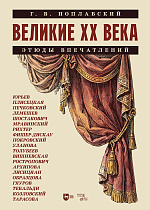
Герман Викторович Поплавский, многолетний зритель-слушатель, писатель, музыкальный критик, в настоящем издании делится своими впечатлениями и воспоминаниями о живых встречах и творчестве гигантов отечественного и зарубежного искусства, внесших неоценимый вклад в его развитие. Уникальная особенность книги заключается в том, что автор предоставляет возможность читателям проникнуться и заразиться творчеством и личностью своих знаменитых героев, чьим слушателем и собеседником автору довелось быть. Плисецкая, Печковский, Козловский, Софроницкий, Лемешев, Мравинский, Рихтер, Уланова, Товстоногов, Смоктуновский, Образцова, Колпакова, Темирканов, Гергиев, Фрейндлих и др. По мнению автора именно художественные впечатления современников являются результатом творчества самого художника на сцене и в жизни и представляют интерес для будущих поколений.
Издание адресовано профессионалам и любителям искусства.
German Viktorovich Poplavsky, a longtime spectator, author, and music crit-ic, shares his impressions and recollections of encounters and the work of giants of Russian and international art who have made a valuable contribu-tion to its development. The book’s unique feature is that the author allows readers to get involved and inspired by the work and personalities of his celebrated heroes, whose listener and interviewer he had the privilege to be. These are Plisetskaya, Pechkovsky, Kozlovsky, Sofronitsky, Lemeshev, Mravinsky, Richter, Ulanova, Tovstonogov, Smoktunovsky, Obraztsova, Kolpakova, Temirkanov, Gergiev, Freundlich, and others. The author be-lieves that it is the artistic impressions of contemporaries that are the result of the artist’s own stage and life art and are of interest to future generations.
This edition is intended for professionals and art lovers.
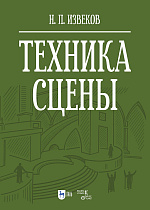
Книга выдающегося театрального инженера и историка Николая Павловича Извекова (1886–1942) является фундаментальным классическим трудом, заложившим основы научного подхода к сценографии и театральной технологии в СССР.
В издании впервые детально систематизированы и описаны инженерно-технические аспекты устройства театрального здания и сценического пространства. Рассматривается архитектура сценической коробки, классификация игровых площадок, механическое оборудование сцены.
В данном издании частично воспроизведены иллюстрации из книги 1940 года.
The book by Nikolai Pavlovich Izvekov (1886–1942), the prominent theatre engineer and historian is a basic work that laid the foundations for a scholar approach to scenography and theatre technology in the USSR.
The edition provides the first detailed systematization and description of the engineering and technical aspects of theatre building design and stage space. The author examines the stage house architecture, the classification of performance areas, and stage machinery.
The current edition includes reproductions of some illustrations from the original 1940 edition.
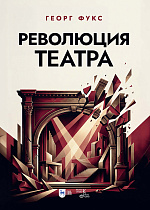
Книга немецкого театрального реформатора Георга Фукса «Революция театра» принадлежит к числу важнейших трудов, определивших развитие европейского театра XX века. Автор подвергает критике натуралистическую сцену и выдвигает концепцию театра как самостоятельного искусства действия, основанного на ритме, пластике и коллективном переживании. Особое внимание уделено вопросам сценического пространства, взаимодействия актёра и зрителя, а также опыту создания Мюнхенского художественного театра.
Издание представляет интерес для театроведов, режиссёров, актёров, студентов творческих вузов и широкого круга читателей.
The book “Revolution in the Theatre” (“Die Revolution des Theaters”) by Georg Fuchs (1868–1949), the German theatre reformer, is among the most important works that influenced the development of European theatre in the 20th century. The author critiques the naturalistic stage and states the concept of theatre as an independent art of action based on rhythm, movement, and collective experience. A particular attention is paid to issues of a stage space, the interaction between actor and audience, and the experience of foundation of the Munich Art Theatre.
The edition will be of interest to theatre scholars, directors, actors, arts students, and the general reader.
Закрыть
Сообщить о поступлении
Укажите ваш e-mail, и мы пришлем уведомление, как только книга
станет доступна для покупки.